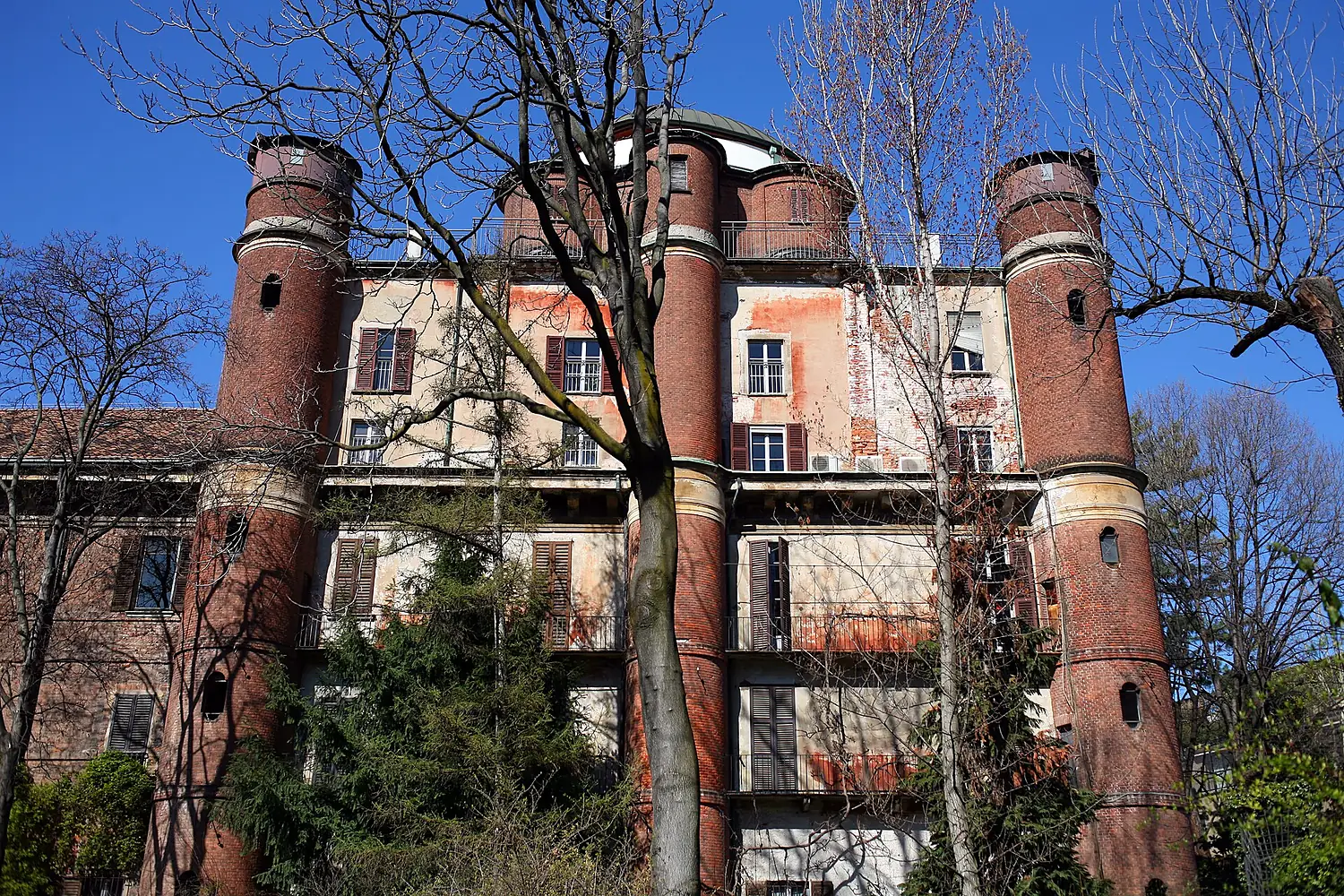
 Italy astronomical observatory
Brera Astronomical Observatory
An astronomical observatory in Italy, and the real sky above it tonight.
Calculating the sky…
Drag to turn round. Stars from the HYG catalogue; glow and horizon from the light model and the terrain.
The place
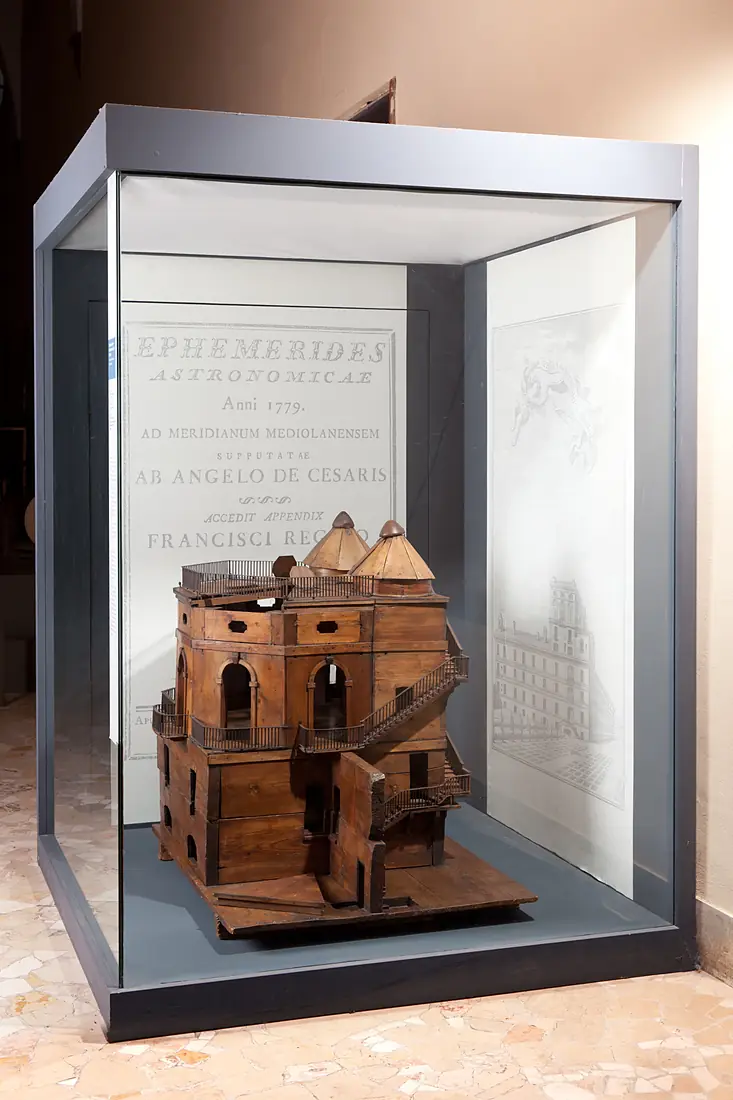
Brera Astronomical Observatory.
Observatory
Brera Astronomical Observatory is an astronomical observatory in Italy, 132 m above the sea.
Its usual sky, with no Moon or clouds, is estimated at 17.36 mag/arcsec² — Bortle 9, inner-city sky: the naked eye reaches stars of magnitude 3.4.
The nearest town of over 50,000 people is 1 km away.
The best months are from December to February: long dark nights and clearer skies.
The core of the Milky Way rises up to 16° above the horizon, and is up during the dark hours from May to July.
The horizon is open all round: nothing in the relief rises more than 3°.
Visit and sleep under the stars
- Visiting the observatoryHours in OpenStreetMap: Tu, Th 10:00-15:00; Fr 14:00-18:00; Sa, Su 10:00-18:00 · free entryOfficial site↗
- Nuovorimessaggiocampsite · 4.8 km · 4 within 10 km
- Sina de la Villeplace to stay · 0.8 km · 695 within 10 km
- Breranearest town · 0.1 km in a straight line
- Milano Linate Airport (LIN)nearest airport with scheduled flights · 8 km in a straight lineCar hire at LIN airport (Segrate)Discover Cars · sponsored link↗
Plan the night
A guided night, a bed nearby, a car.
Some links above are affiliate links: if you book through them we may earn a commission, at no extra cost to you. It never changes what the data on this page says.
The usual sky here
Bortle 9.
Only the Moon, the planets and a handful of stars cut through the glow.
Our own rating, from verifiable data only: sky brightness (60 points), clear nights (25), open horizon (10) and altitude (5).
- 1Excellent dark sky≥ 21.89 · stars to mag 7.6
- 2Truly dark sky21.69–21.89 · stars to mag 7.1
- 3Rural sky21.25–21.69 · stars to mag 6.6
- 4Rural–suburban transition20.49–21.25 · stars to mag 6.1
- 5Suburban sky19.50–20.49 · stars to mag 5.6
- 6Bright suburban sky18.94–19.50 · stars to mag 5.1
- 7Suburban–urban transition18.38–18.94 · stars to mag 4.6
- 8City sky17.80–18.38 · stars to mag 4.1
- 9Inner-city sky< 17.80 · stars to mag 3.6 You are here
- 17.36Sky brightnessmag/arcsec² at the zenith — 21.9 is a natural sky
- 3.4Faintest starthe faintest magnitude the naked eye can see here
- 1 kmNearest big townover 50,000 people, in a straight line
- 132 mAltitudeabove the sea: less air and haze above you
- 99%Open skyof the half-sphere the relief leaves visible
Where the light comes from
The brightest glow on the horizon comes from Sesto San Giovanni, 7 km to the north-east.
Each wedge is how much artificial light arrives from that direction (10° slices).
An estimate of the usual sky with no Moon and no clouds, from NASA's night-lights map and a light-propagation model (about ±0.3 mag). A given night depends on the Moon, the clouds, dust and humidity.
When to go
Best from December to February.
Hours of truly dark night, hours with the core of the Milky Way up, how often the sky is clear and the coldest night, month by month.
- 12h38%0°Jan
- 10h39%1°Feb
- 8.8h42%4°Mar
- 6.8h38%8°Apr
- 4.7h36%13°May
- 3.2h44%17°Jun
- 4.0h53%20°Jul
- 6.0h50%19°Aug
- 8.0h45%15°Sep
- 9.7h35%10°Oct
- 11h32%5°Nov
- 12h39%1°Dec
- Dark night (hours)
- Milky Way core up
- Clear sky
- Coldest night
- Best months
The Moon, night by night
A bright Moon washes out the faint stars. The highlighted nights are the dark ones (less than a quarter lit); below, the next new moons.
- 9 Nov2026
- 9 Dec2026
- 7 Jan2027
- 6 Feb2027
- 8 Mar2027
- 6 Apr2027
Night: Sun more than 18° below the horizon. Milky Way: the galactic centre more than 10° up during that night. Clear sky: 100 − NASA cloud amount (2001–2020). Coldest: average minimum brought to this altitude.
What happens in this sky
Meteors, eclipses, auroras.
Meteor showers
The next twelve months. The rate is what a dark sky shows with the radiant at its highest here; the Moon decides the rest.
- Orionidspeak 21 Oct 2026 · up to 17 meteors an hourMoon 72% lit at the peak
- Leonidspeak 17 Nov 2026 · up to 14 meteors an hourMoon 46% lit at the peak
- Geminidspeak 14 Dec 2026 · up to 146 meteors an hourMoon 21% lit at the peak
- Quadrantidspeak 4 Jan 2027 · up to 110 meteors an hourMoon 12% lit at the peak
- Lyridspeak 22 Apr 2027 · up to 18 meteors an hourMoon 98% lit at the peak
- Eta Aquariidspeak 6 May 2027 · up to 34 meteors an hourMoon 0% lit at the peak
- Southern Delta Aquariidspeak 30 Jul 2027 · up to 12 meteors an hourMoon 16% lit at the peak
- Perseidspeak 12 Aug 2027 · up to 98 meteors an hourMoon 77% lit at the peak
Eclipses
Lunar eclipses visible from here, and solar eclipses whose path crosses this country.
- Partial lunar eclipse12 january 2028Moon 30° up at mid-eclipse · 53 min
- Total lunar eclipse31 december 2028Moon 10° up at mid-eclipse · 71 min
- Total lunar eclipse26 june 2029Moon 2° up at mid-eclipse · 101 min
- Total lunar eclipse20 december 2029Moon 66° up at mid-eclipse · 53 min
Meteor dates: International Meteor Organization peaks. Lunar eclipses: computed (J. Meeus) and shown only when the Moon is above this horizon. Solar eclipses: Eclipse Predictions by Fred Espenak, NASA/GSFC (country on the path).
The horizon
360° around you.
The silhouette of the relief up to 30 km away (Copernicus DEM), with the light domes of the towns where they rise. Mountains are drawn taller than they are, to be seen.
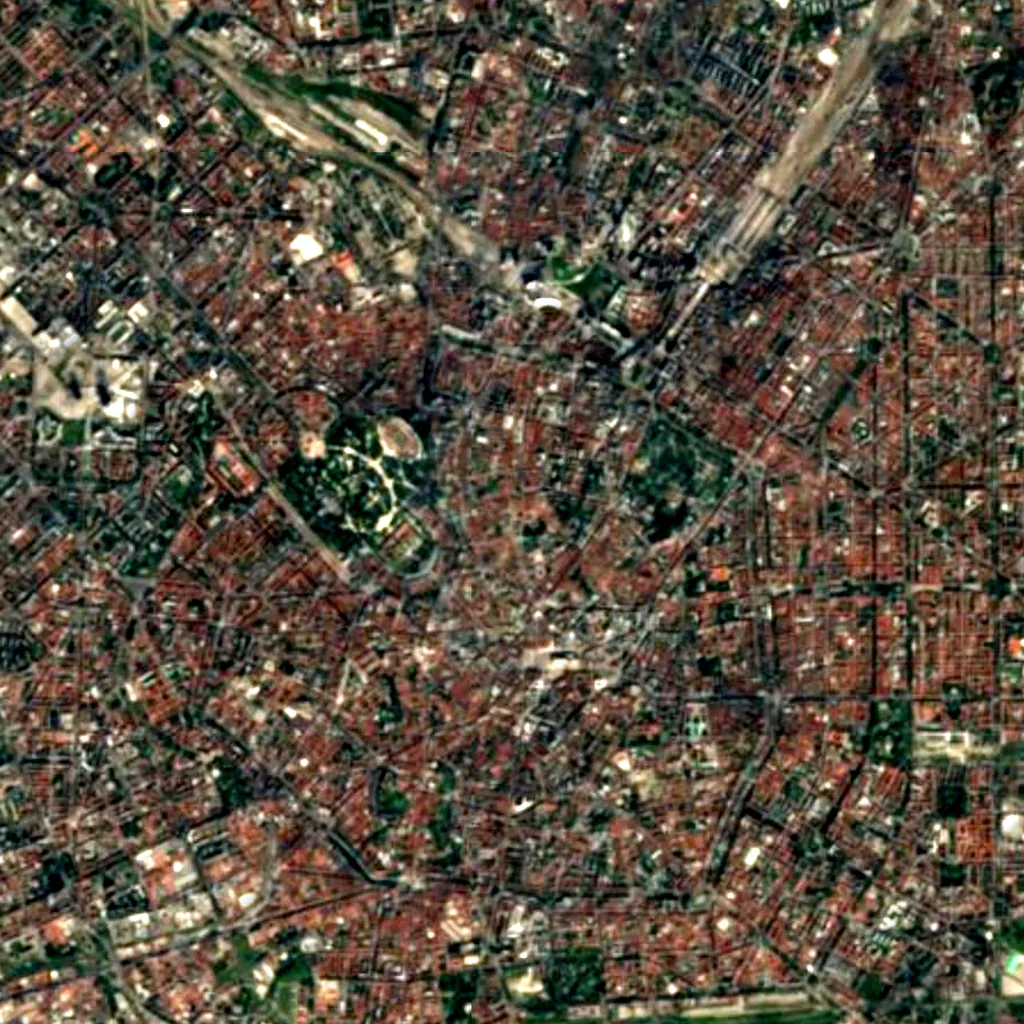
Around, in OpenStreetMap
- 12observatories and planetariums within 30 kmIstituto Nazionale di Astrofisica – Osservatorio astronomico di Brera, Cupola Schiaparelli, Civico Planetario Ulrico Hoepli and 9 more
- 10viewpoints within 5 kmHighline Galleria, Vista sul Parco Sempione, The Roof Milano Bar & Restaurant and 7 more
- 3named peaks within 5 kmMonte Stella, Collina del Parco Lambro, Collina dei Ciliegi di Bicocca
- 3marked trails within 3 kmCammino di Sant'Agostino - Foglia Orientale, MilanoInCima, Sentiero dei Celti e dei Liguri - tappa 1
- 158shelters and huts within 5 km
- 722car parks within 3 km
- 4campsites within 10 kmNuovorimessaggio, New Park Milano, Podere Ronchetto Agriturismo and 1 more
- 695places to stay within 10 kmSina de la Ville, NH Milano Touring, Heart Hotel Milano and 692 more
- 13visitor centres within 5 kmInformazione e Accoglienza Turistica Provincia di Milano, ATM Point, Assistenza alla clientela and 10 more
- 4,446restaurants and cafés within 5 km
- 450street lamps mapped within 2 km
Counted in OpenStreetMap, the map anyone can edit. A low number may just mean nobody has mapped it yet.
In our other atlases
Around it, by day.
The mountain, island, lake, beach or canyon this place is, and what else is nearby in the family's atlases.
 Peakyas1 mountains within 25 km
 Lakeyas1 lakes within 15 km
Figures from the sister sites' databases (Wikidata, HydroATLAS, GeoNames, OpenStreetMap). Links open when each site is online.
Photographs
By day and by night.
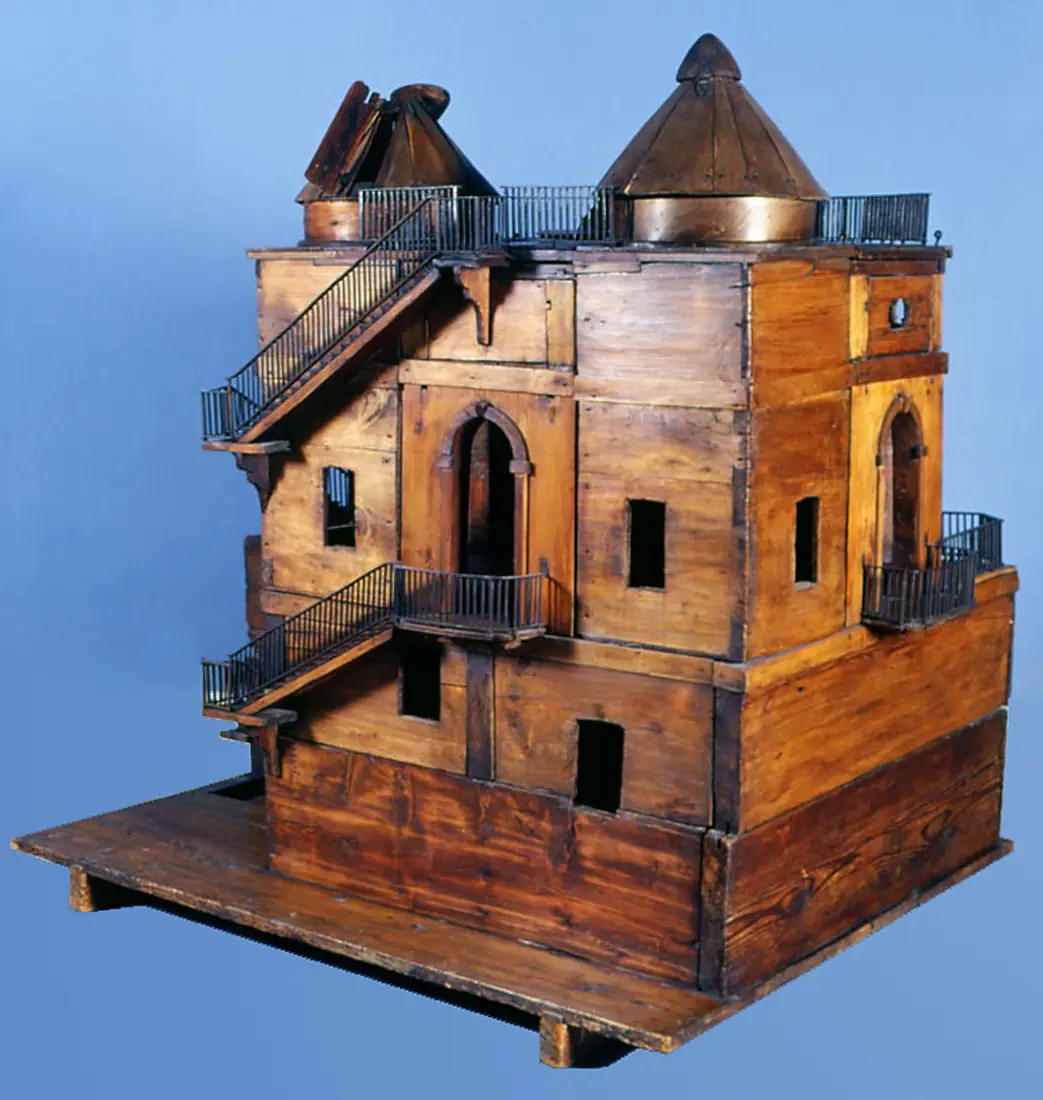
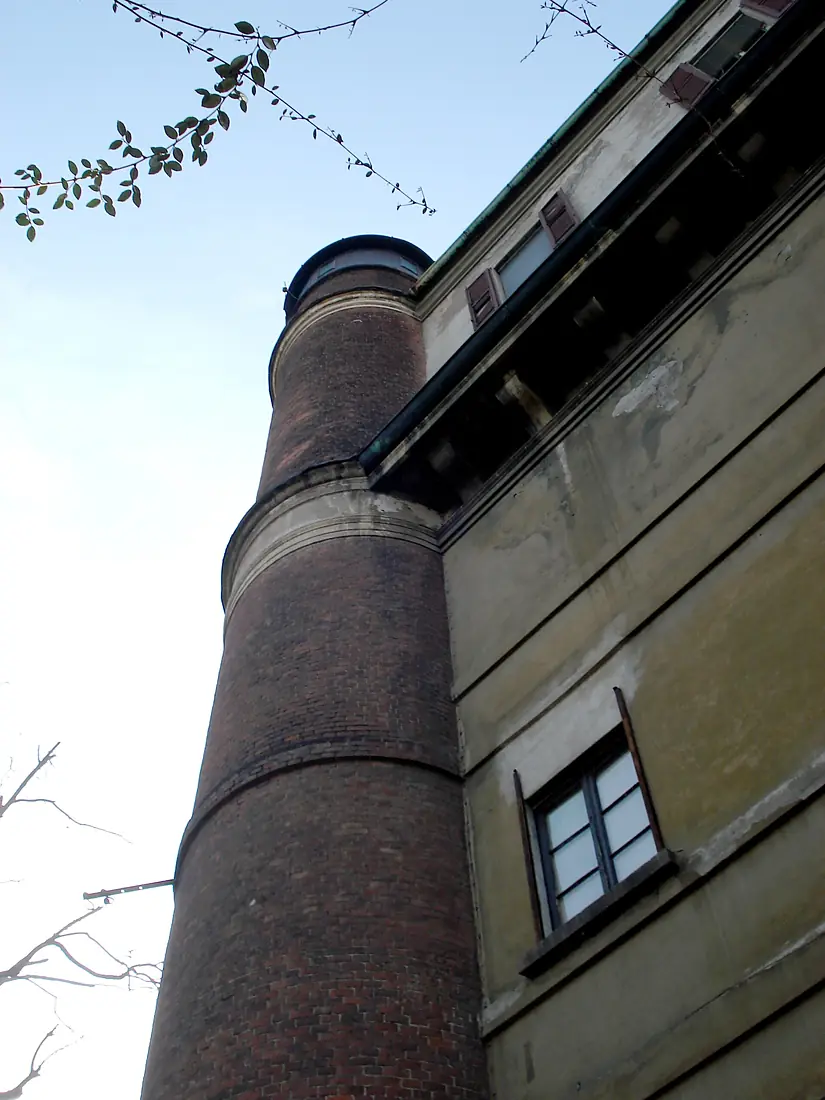
Other skies nearby.
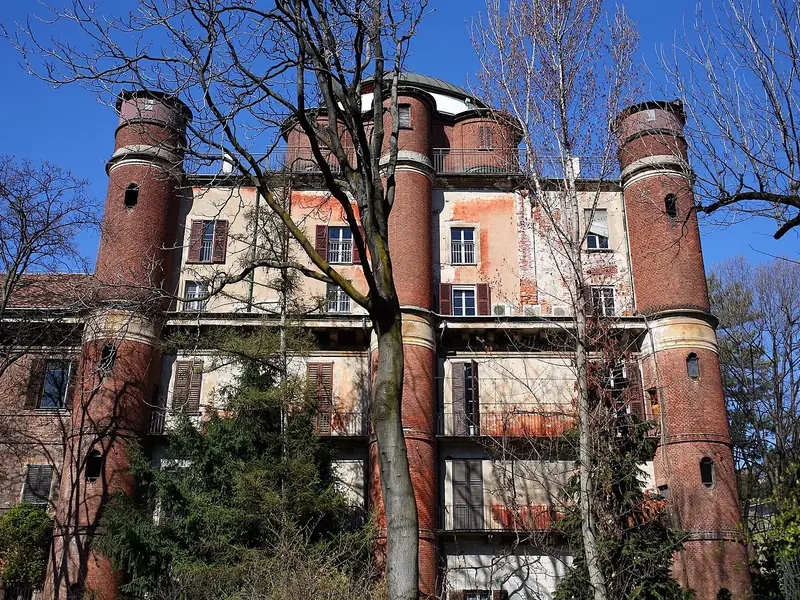
Brera Astronomical Observatory
Italy
- 22Darkskyas Score
- 17.36Sky brightness
- 9Bortle
- 132 mAltitude
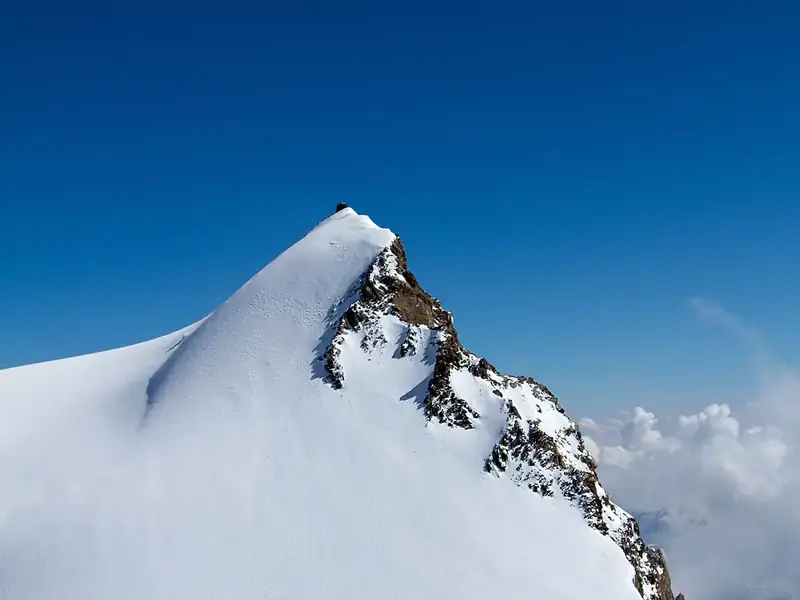
Signalkuppe
Switzerland · 114 km
- 80Darkskyas Score
- 21.69Sky brightness
- 2Bortle
- 4,554 mAltitude
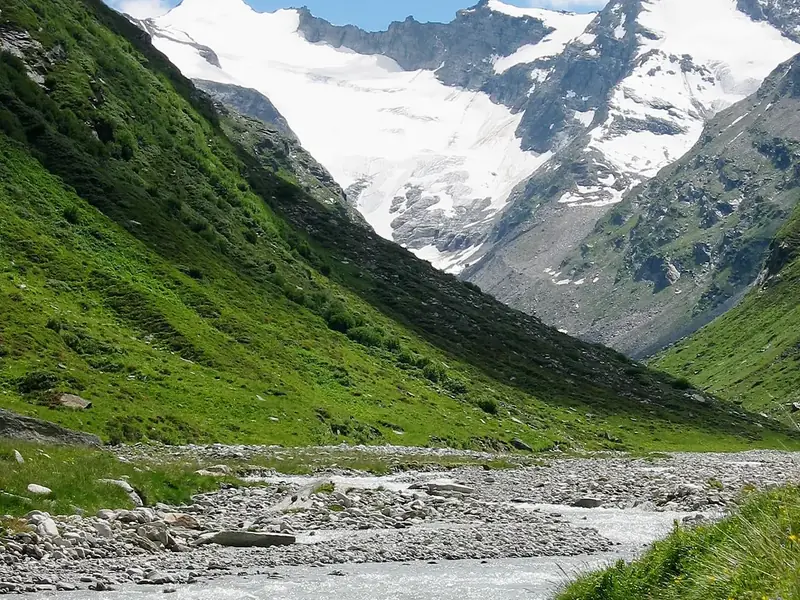
Rheinwaldhorn
Switzerland · 114 km
- 80Darkskyas Score
- 21.66Sky brightness
- 3Bortle
- 3,402 mAltitude
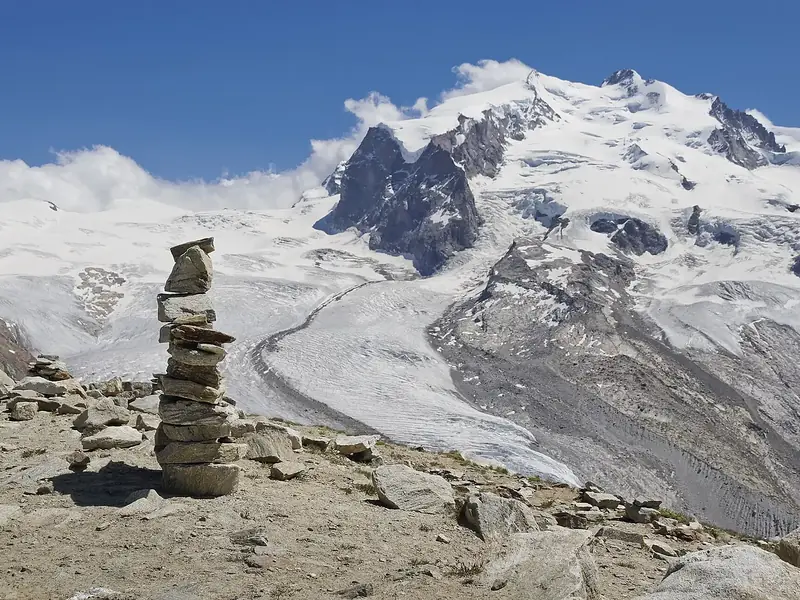
Dufourspitze
Switzerland · 115 km
- 80Darkskyas Score
- 21.69Sky brightness
- 2Bortle
- 4,634 mAltitude
Where these figures come from
| Name, type, certification | Wikidata (Q1580885) · CC0 |
|---|---|
| Sky brightness | NASA Earth Observatory, Black Marble 2016 (Suomi NPP VIIRS) · Darkskyas light model (Walker's law, fitted to 18 measured sites) |
| Night, Moon, Milky Way, stars | J. Meeus, Astronomical Algorithms · HYG v4.4 · Stellarium modern_iau (CC BY-SA 4.0) |
| Horizon and altitude | Copernicus DEM GLO-90 / GLO-30 · © DLR e.V., © Airbus Defence and Space GmbH, Copernicus/ESA |
| Clouds and temperature | NASA POWER (CERES SYN1deg, 2001–2020; MERRA-2) |
| Solar eclipses | Eclipse Predictions by Fred Espenak, NASA/GSFC |
| What is around | © OpenStreetMap contributors · ODbL |
| Images | EOX Sentinel-2 cloudless 2016 · CC BY 4.0; Wikimedia Commons |
| Sister atlases | Peakyas, Lakeyas |
Every figure is an average, an estimate or a count from a public dataset. Licences and methods: data sources.
The family
Do you prefer beaches, lakes, mountains, waterfalls, islands, rivers, canyons, caves, dark skies, viewpoints, birdwatching or forests?
Same idea, other landscapes: field atlases built on open data, in seven languages.
 beaches
 Find your beach: sea temperature, sun and swimming month by month.Visit lakes
 Every lake on Earth: water temperature, ice, depth and the shore.Visit mountains
 Every summit in 3D: summit weather, the 0 °C line, huts and trails.Visit
  waterfalls
 Every waterfall: height, flow month by month and when it roars.Visit
  islands
 Every island from the sea up: size, sea temperature, ferries and 3D.Visit
  rivers
 Every river from source to sea: the journey, the flow and the basin in numbers.Visit
  canyons
 Every canyon cut to scale: depth to the floor, rim and floor temperatures, trails and viewpoints.Visit
  caves
caves Every cave with its real depth and length: the rock above, the temperature inside all year, and how to visit.Visit
  dark skies
 Where the night is still dark: the sky of every place, the Milky Way month by month, the Moon, eclipses and auroras.You are here
 viewpoints
 Every viewpoint with its real 360° panorama: the peaks you can name, how far you see and where the sun sets.Coming soonVisit
  birdwatching
 Every bird sanctuary and wetland with the species recorded month by month: who is resident, who comes for the summer, who only passes through.Coming soonVisit
  forests
 Every forest with its land-cover rings, what grows and lives in it, and the best months to walk it.Coming soonVisit